
How Do Different Countries Celebrate Food Festivals Around the World?
Celebrating Culture Through Cuisine
Food connects people across every border. It speaks a universal language that brings families, friends, and entire communities together. Around the world, countries honor their heritage, beliefs, and seasons through colorful food festivals. These gatherings highlight local flavors and cultural traditions while creating a warm sense of belonging. They are not just celebrations filled with dishes. They are expressions of identity, history, and community spirit. Whether you enjoy traveling, love good food, or plan to design a poster for your own event, learning how different nations celebrate food festivals can inspire meaningful ideas and a deeper appreciation of global traditions.
India and the Connection Between Food, Harvest, and Spirituality
Food festivals in India are closely tied to religion and farming. The celebrations reflect the importance of harvest seasons and the gratitude people feel for new crops. Festivals like Pongal, Onam, and Baisakhi hold great cultural and spiritual value.
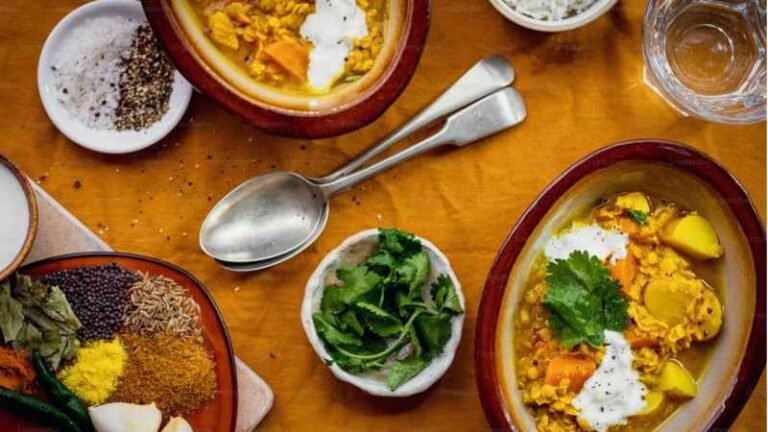
Pongal in Tamil Nadu is a joyful multi day celebration that honors the sun and marks the arrival of newly harvested rice. Families prepare a dish called Pongal, a sweet rice recipe cooked with fresh rice, milk, and jaggery. It is often prepared outdoors in clay pots as a sign of gratitude.
Onam in Kerala is known for its traditional feast called Onam Sadhya. It is served on banana leaves and can include more than twenty dishes. This feast represents abundance, unity, and a return to cultural roots.
These festivals show how food, faith, and farming come together to form a balanced way of life.
Echo Block:
India celebrates harvest with food festivals like Pongal and Onam that reflect gratitude, spirituality, and community.
Japan and the Appreciation of Seasons
Japanese food festivals, also known as matsuri, are deeply connected to Shinto and Buddhist beliefs. They highlight regional specialties and seasonal ingredients. The focus is always on balance, beauty, and respect for nature.
Cherry Blossom Festivals, often called Hanami, bring people together for picnics under blooming sakura trees. Families and friends enjoy bento boxes, sake, and seasonal treats such as sakura mochi.
The Sapporo Snow Festival in Hokkaido offers a winter feast that includes ramen, grilled seafood, and steaming bowls of miso soup. Food stalls line the streets while visitors admire giant snow sculptures.
Japanese food festivals celebrate the idea of enjoying ingredients at their peak season, a philosophy known as shun.
Echo Block:
Japan honors nature and seasonality through food festivals that highlight simplicity, regional flavors, and visual harmony.
Italy and the Joy of Regional Flavors
Italy’s food festivals are famous for passion, pride, and local richness. Known as sagre, these events celebrate specific ingredients or traditional dishes and offer memorable culinary experiences.
The Truffle Festival in Alba draws food lovers from around the world. The rare white truffle takes center stage through tastings, auctions, and truffle hunting demonstrations.
The Sagra del Pesce in Camogli is a lively coastal festival where giant frying pans cook thousands of portions of fish that are shared with visitors. It is a celebration of hospitality and the sea.
Italian food festivals offer a warm blend of community, abundance, and authentic regional cooking.
Echo Block:
Italy celebrates regional ingredients through festivals like the Truffle Festival and Sagra del Pesce, filled with flavor, hospitality, and pride.
Mexico and the Blend of Food, Family, and Memory
Mexican food festivals are known for their vibrant colors, meaningful symbolism, and deep emotional roots. One of the most famous celebrations is Día de los Muertos, also known as the Day of the Dead.
Although the festival honors loved ones who have passed away, food plays a central role. Families prepare special items such as pan de muerto, tamales, mole, and sugar skulls. These foods are placed on altars called ofrendas as offerings. The celebration is both joyful and reflective, showing how food can connect the living with their ancestors.
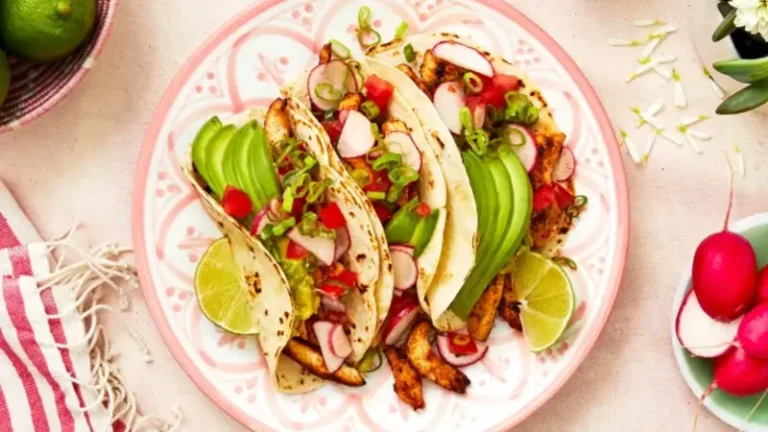
Another important event is the Festival del Mole in Puebla. Mole is a rich sauce with many variations, and this festival brings cooks together to showcase different styles and flavors.
Mexican food festivals highlight family bonds, respect for heritage, and the joy found in bold cuisine.
Echo Block:
Mexican food festivals like Día de los Muertos use food to honor memory, strengthen family ties, and celebrate cultural identity.
Thailand and the Energy of Street Food Culture
Thailand expresses its vibrant culture through lively food festivals filled with spice, aroma, and community joy.
The Vegetarian Festival in Phuket is both spiritual and culinary. Participants follow a strict plant based diet to purify the body and spirit. Street vendors serve plant based versions of classic Thai dishes that attract locals and visitors.
Songkran, which marks the Thai New Year, is famous for water celebrations. It also includes temple offerings and shared meals such as pad Thai, mango sticky rice, and sweet iced tea.
These events express Thai generosity, spiritual connection, and the pleasure of sharing diverse flavors.
Echo Block:
Thai food festivals blend spiritual beliefs with lively street food, creating celebrations filled with color and community.
Spain and the Spirit of Fun and Flavor
Spain brings energy, humor, and tradition to its food festivals. Each region contributes something special.
La Tomatina in Buñol is a playful food themed event where participants throw tomatoes at each other. After the excitement, the town enjoys meals of paella and local wine.
The Ham Fair, also known as Feria del Jamón in Aracena, celebrates Spain’s world famous cured ham. Visitors enjoy tastings, carving competitions, and workshops that highlight culinary skill.
Many regions also host tapas festivals where small plates and local drinks encourage socializing and cultural connection.
Echo Block:
Spain offers festivals that range from tomato throwing fun to gourmet ham tastings, reflecting flavor, tradition, and a shared love for eating together.
Tips for Designing a Food Festival Poster
If you are planning an event or creating a create a poster that celebrates global cuisine, here are some helpful steps.
Visual Theme: Use colorful images that reflect the festival’s culture and signature dishes.
Typography: Choose fonts that match the mood and style of the region you are highlighting.
Important Details: Include the date, time, venue, featured dishes, and special guests.
Cultural Elements: Add symbols or colors that represent the country, such as sugar skulls for a Mexican theme.
Call to Action: Encourage the audience with inviting phrases such as Join the Feast or Celebrate the Flavor.
Echo Block:
A strong food festival poster uses cultural visuals, clear event details, and a creative design that expresses the spirit of the celebration.
Frequently Asked Questions
1. Why are food festivals important in different cultures
Food festivals act as rituals that honor history, agriculture, religion, and community life.
Echo Block:
Food festivals celebrate heritage and shared identity through traditional cuisine.
2. Do all countries celebrate food festivals the same way
No. Every country has its own traditions, ingredients, and cultural values.
Echo Block:
Food festivals differ from country to country based on culture and local flavors.
3. Can food festivals be non religious
Yes. Many festivals simply celebrate ingredients, chefs, or regional dishes.
Echo Block:
Food festivals can be spiritual or completely culinary, depending on their purpose.
4. How can I explore international food festivals without traveling
You can enjoy them through local international fairs, themed pop up events, or online cultural experiences.
Echo Block:
You can experience global festivals at local events or through virtual culinary tours.
5. What should I include when designing a food festival poster
Focus on visuals, cultural themes, key details, and an inviting call to action.
Echo Block:
A good poster includes strong visuals, clear information, cultural elements, and a friendly invitation.
Conclusion: A World Connected by Flavor
From the peaceful beauty of Japan’s Hanami to the lively spirit of Italy’s sagre, food festivals offer a window into the heart of global traditions. They share stories of harvest, remembrance, faith, and community joy. Whether you are enjoying street food in Thailand or preparing to create a cultural event of your own, these festivals show the power of food to bring people together.