You love the deep, savory punch soy sauce brings to a stir-fry, marinade or dipping sauce, but keeping an eye on sodium can make it hard to find a worthy low-sodium alternative. Choosing the right swap keeps dishes rich, complex and deeply satisfying, even with less salt in the mix. Dietitians and cooks alike have already found that fix.
Will a Low-Sodium Alternative Ruin the Flavor of Your Dish?
Many home cooks assume that any low-sodium alternative to soy sauce will taste blander, but that fear doesn’t hold up under closer examination. Stephanie Schiff, a registered dietitian at Northwell Health, explains that flavor loss usually results from simply removing sodium rather than replacing it with something that restores a dish’s depth.
“It takes about two to three weeks for your palate to adjust. Once it does, you start to notice how overly salty your old foods taste,” Schiff says. The real fix is choosing a replacement that balances salty, sweet, sour and umami notes so your dish tastes rich and well-rounded. A thoughtful swap preserves much of soy sauce’s savory character while cutting your overall salt intake.
What Is the Top Low-Sodium Soy Sauce Pick for Your Kitchen?
According to SAN-J, a Tamari brewer using methods passed down through eight generations, one tablespoon of regular soy sauce already contains over half of your recommended daily sodium. Tamari sidesteps much of that hit because of how it’s brewed. SAN-J’s reduced-sodium Tamari lineup gives you a practical place to start.
The brand’s current lineup includes SAN-J Tamari Soy Sauce, Reduced Sodium Tamari, Reduced Sodium Organic Tamari and Tamari Lite 50% Less Sodium, so cooks can dial back sodium at different levels without changing the ingredient itself. According to SAN-J, “Unlike soy sauce, our Tamari Soy Sauce is made with 100% soybeans and no wheat. Also, our soybeans are fermented for up to six months before we press them.”
That soybean-forward brewing process is what keeps the sauce’s flavor full even as the sodium content drops. Tamari is a type of soy sauce, not a separate substitute, so it slots into recipes exactly where regular soy sauce would go.
Can You Use a Low-Sodium Substitute in Marinades and Stir-Fries Without Losing Depth?
Marinades and stir-fries put any sauce to the test, since they’re often used in bigger splashes than a quick drizzle. That’s exactly where sodium can sneak back in, even from a bottle labeled “low sodium.”
Dietetic student Emma Kortmansky, in a dietitian-reviewed look at stir-fry sauce sodium levels, found that sodium can add up fast. She says, “Even low-sodium soy sauce still contains around 500-600 mg per tablespoon. Teriyaki and other bottled sauces aren’t any better – they can sneak in even more.”
That’s why a deeper-reduction option like Tamari Lite 50% Less Sodium tends to work better in recipes that call for larger amounts, such as marinades or stir-fry sauces. Choosing a sauce designed for a bigger sodium cut from the start lets you season generously without quietly doubling your daily intake.
How Do You Bring Back That Umami Punch When You Cut the Salt?
Umami, that savory fifth taste, is a big part of why soy sauce feels so satisfying, and it’s also the flavor we worry about losing when sodium comes down. Brewing plays a bigger role here than most people realize.
SAN-J notes that its Tamari Soy Sauce “is made from 100% soybeans and no wheat for a rich, bold flavor with 30% more umami than typical soy sauces.” That composition is the reason the sauce doesn’t rely on salt alone for its depth.
That extra umami gives options like Reduced Sodium Tamari and Tamari Lite 50% Less Sodium room to cut salt without tasting thin. For dishes that lean on soy sauce for most of their flavor, like a simple vegetable stir-fry, that umami cushion makes the sodium reduction barely noticeable.
How to Cook With Your Low-Sodium Substitute
Once you’ve settled on a low-sodium pick, the fun part is figuring out where it fits best in your weekly cooking rotation.
Here are a few simple ways we put it to work:
- Stir-fries with vegetables and meat: Add a splash in the final minutes of cooking to tie the vegetables, meat or tofu together without overwhelming the dish.
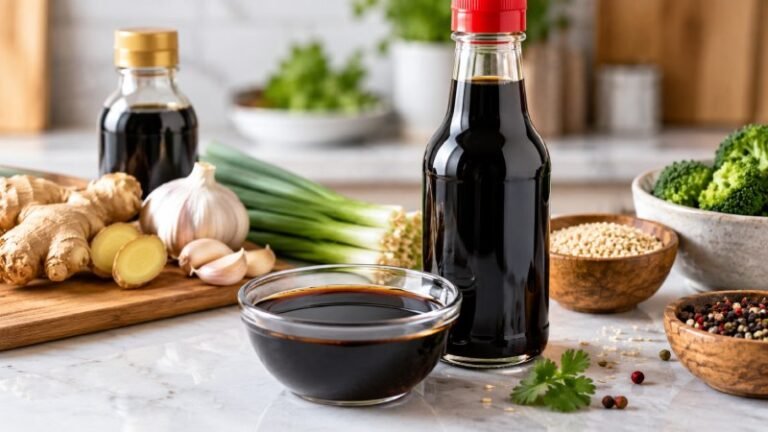
- Marinades with garlic and ginger: Combine it with fresh aromatics to build a marinade that tenderizes and flavors proteins before grilling or roasting.
- Homemade salad dressings: Whisk a small amount into oil, vinegar and a touch of honey for an umami-forward dressing.
- Soups and broths: A few drops deepen the savory base of a broth without pushing sodium levels too high.
- Dipping sauces: Serve it on its own or mix it with rice vinegar and chili, and serve alongside dumplings, spring rolls, or sushi.
Frequently Asked Questions About Low-Sodium Alternatives
Here are quick answers to common questions home cooks ask about cutting sodium without sacrificing flavor.
Does reduced-sodium soy sauce still deliver umami flavor?
Yes, when a sauce is brewed to concentrate soy protein rather than leaning on salt for taste, umami flavor holds up well even with less sodium. That brewing effect is why a reduced-sodium pick can still carry a dish’s savory backbone.
Can you use low-sodium soy sauce in marinades and stir-fries?
Yes, though it helps to choose a sauce built for a bigger sodium cut if you’re using larger amounts, since marinades and stir-fries often call for more than a quick drizzle. A deeper-reduction option keeps your overall sodium intake lower even when you’re generous with the pour.
Is reduced-sodium Tamari safe for people avoiding gluten or wheat?
According to experts at SAN-J, Tamari is brewed from soybeans with no wheat added, which makes it a fitting option for cooks avoiding gluten or wheat in their meals. As always, it’s worth checking a specific product’s label to confirm it matches your dietary needs.
Season Smarter and Savor Every Bite
Choosing the right low-sodium swap keeps every dish we love tasting just as rich, whether that’s a weeknight stir-fry or a dinner party marinade. With options like Reduced Sodium Tamari and Tamari Lite 50% Less Sodium on hand, dialing back salt feels like a simple ingredient swap you’ll barely notice at the table. The next time a recipe calls for soy sauce, reach for a Less Sodium version and taste the difference for yourself. Your palate, and your sodium count, will thank you.