
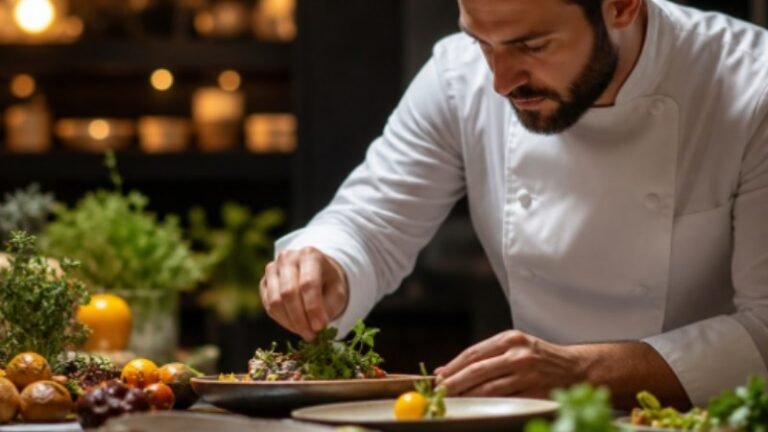
The modern fine dining experience extends far beyond the plate. It encompasses every element of the restaurant environment, from the carefully orchestrated seating arrangements to the thoughtful progression of courses. At the heart of this experience lies the menu itself, a document that serves as both a practical guide and a philosophical statement about the restaurant’s culinary vision. Understanding how elite establishments approach menu design reveals the depth of planning that transforms a meal into a memorable occasion.
The Strategic Foundation of Menu Architecture
Menu construction at the highest levels of dining represents a delicate balance between creativity and accessibility. Chefs must communicate complex culinary concepts while remaining inviting to guests who may be unfamiliar with certain techniques or ingredients. The physical layout, typography, and descriptive language all contribute to setting expectations and guiding diners through their experience. Successful menus provide enough detail to intrigue without overwhelming, creating anticipation for each course while allowing room for surprise and discovery at the table.
Seasonal Rotation and Ingredient Sourcing
Distinguished restaurants demonstrate their commitment to quality through frequent menu updates that reflect seasonal availability. This practice ensures ingredients appear at their peak flavor and connects the dining experience to the natural rhythm of agriculture. Menus that change with the seasons signal to guests that the kitchen prioritizes freshness over convenience, often building relationships with local farmers and purveyors to secure the finest products. This approach requires significant planning and adaptability from the culinary team, as recipes must be continuously refined to showcase ingredients in their optimal state.
Creating Atmosphere Through Intentional Design
The physical environment of a restaurant shapes every aspect of the guest experience. Lighting levels, acoustic treatment, table spacing, and even temperature control work in concert to create a sense of comfort and occasion. Fine dining establishments invest considerable resources in designing spaces that feel both luxurious and welcoming, avoiding pretension while maintaining elegance. The goal is to create an atmosphere where guests feel they can relax and focus entirely on the meal, free from distractions or discomfort that might diminish their enjoyment.
Seating Configuration and Guest Flow
Table arrangement represents one of the most consequential decisions in restaurant design. The spacing between tables affects both privacy and the overall energy of the dining room. Too close, and conversations feel exposed; too distant, and the room may lack vitality. Elite restaurants carefully calibrate these distances, often varying them throughout the space to accommodate different party sizes and preferences. Banquette seating along walls provides structure and efficiency, while freestanding tables in the center create flexibility. The pathway servers use to move through the dining room must be considered as well, ensuring seamless service without disrupting guest experiences.
Miami’s Elevated Culinary Landscape
South Florida has emerged as a destination for culinary excellence, with numerous establishments earning national recognition for their innovative approaches. The subtropical climate and proximity to diverse cultural influences create unique opportunities for chefs to source ingredients and draw inspiration from multiple traditions. Discerning diners exploring the city’s gastronomic offerings often reference a Michelin Star restaurant menu in Miami as a benchmark for what elevated dining can achieve in this dynamic market. These establishments set standards for technique, presentation, and hospitality that influence the broader restaurant community throughout the region.
Global Techniques in Contemporary Restaurant Kitchens
Modern fine dining menus frequently draw from diverse culinary traditions, incorporating techniques and flavor profiles from around the world. This global perspective enriches the dining experience by introducing guests to unfamiliar preparations while maintaining approachability. Chefs who master this balance demonstrate both technical skill and cultural awareness, respecting the origins of dishes while adapting them to their own creative vision. For home cooks interested in exploring these international influences, resources like quick recipes featuring global flavors can provide accessible entry points to understanding how different culinary traditions approach common ingredients. The exchange between professional kitchens and home cooking continues to evolve, with techniques once considered exclusive to fine dining now appearing in everyday meal preparation.
Technique as a Differentiator
What distinguishes exceptional restaurant menus is often the sophistication of technique applied to familiar ingredients. Precision cooking methods, complex sauce preparations, and innovative preservation techniques allow chefs to extract maximum flavor and create unexpected textures. These technical achievements require years of training and practice, supported by specialized equipment and detailed recipe development. Guests may not consciously recognize every technical element on the plate, but the cumulative effect creates a level of refinement that distinguishes fine dining from other restaurant experiences.
National Recognition and Dining Excellence
The American restaurant landscape has matured significantly over recent decades, with establishments across the country earning international acclaim. Critical assessments and curated lists help diners identify restaurants that represent the pinnacle of culinary achievement. Publications that compile comprehensive reviews, such as annual rankings of America’s best restaurants, serve as valuable resources for understanding current trends and discovering exceptional dining destinations. These recognitions validate the enormous effort required to maintain consistent excellence while encouraging healthy competition that ultimately benefits guests through continuous innovation and refinement.
The Service Element in Complete Experiences
Outstanding food and beautiful environments cannot compensate for inadequate service. Fine dining requires a team of skilled professionals who understand timing, anticipate needs, and communicate effectively with both guests and kitchen staff. Servers must possess comprehensive knowledge of the menu, including ingredients, preparation methods, and potential allergens. They guide guests through their meal, offering recommendations while respecting individual preferences and dietary requirements. The best service feels effortless, present when needed but never intrusive, enhancing the experience without drawing attention to itself.
Conclusion: The Synthesis of Elements
Exceptional restaurant experiences result from the harmonious integration of numerous factors, each requiring dedicated attention and expertise. Menu design serves as the foundation, communicating the restaurant’s philosophy and guiding guests through a carefully planned progression of flavors. The physical environment supports this journey, providing comfort and ambiance that allow full attention to the meal. Skilled service connects these elements, ensuring smooth execution and personalized attention. As the restaurant industry continues to evolve, the establishments that succeed at the highest levels are those that recognize the importance of every detail, understanding that true excellence emerges from the thoughtful coordination of countless individual decisions. For diners seeking memorable experiences, appreciating these layers of complexity enhances enjoyment and deepens understanding of the artistry involved in fine dining.