Lentils have fed communities for thousands of years, and they remain one of the most practical ingredients in any kitchen. They store well, cook relatively quickly, and deliver impressive nutrition in a small package. Packed with plant protein, fiber, iron, and essential minerals, lentils serve as both a staple and a strategic ingredient in plant-based cooking. Across continents, families rely on them for daily meals and celebratory dishes.
What makes lentils especially fascinating is how differently cultures treat them. In India, cooks simmer them with layered spices and finish them with aromatic tempering. In parts of the Middle East, they pair them with grains and caramelized onions. Throughout Europe, they appear in rustic stews built on olive oil, herbs, and seasonal vegetables. Understanding these regional approaches is the key to cooking lentils well. When you learn why certain spices, fats, and techniques evolved in specific climates, you gain more control over flavor and texture in your own kitchen.
Rustic European Traditions: Olive Oil, Herbs, and the Art of Simplicity
European lentil dishes often rely on restraint rather than complexity. In central Italy and rural France, cooks begin with high-quality olive oil, onions, carrots, and celery. Garlic, bay leaves, rosemary, or thyme is added carefully, and the lentils are simmered until tender. The flavors develop gradually, guided more by ingredient quality than by heavy seasoning. This style of cooking highlights texture and balance, proving that a few well-chosen components can create depth without complication.
Many traditional Italian lentil stews are linked to long, slow preparations and special gatherings around the table. While those methods create remarkable depth, they often require time and patience. Home cooks, however, may look for a way to capture that same earthy flavor and gentle infusion of herbs without an extended cooking process. For this reason, using an easy Umbrian lentil stew recipe is a practical solution. It preserves the spirit of central Italian cooking while simplifying the method, especially when prepared with the small, tender lentils grown in Umbria, which cook evenly and absorb flavor beautifully.
The “Dal” Culture of South Asia: Red and Yellow Lentils as Everyday Comfort
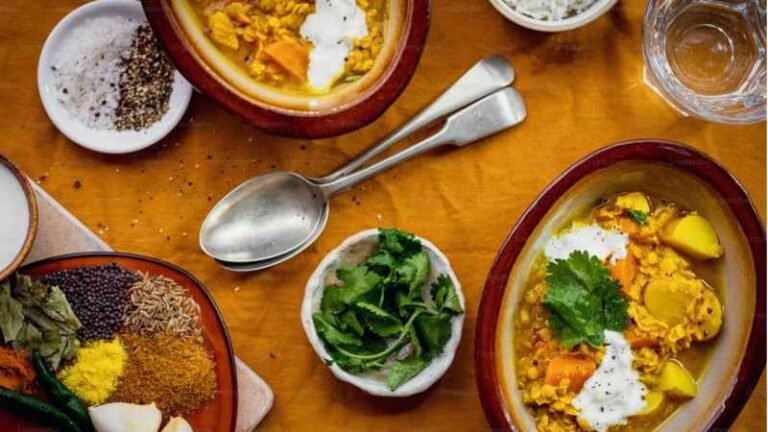
In South Asia, lentils form the backbone of daily cooking. Red lentils, known as masoor dal, break down quickly, creating a smooth, almost creamy consistency. Yellow varieties, such as toor and moong dal, offer slightly different textures and flavors. Cooks choose the type based on region, availability, and the dish they plan to prepare. Each variety responds differently to heat and liquid, which is why understanding the specific lentil matters.
Flavor building in dal relies heavily on technique. After simmering the lentils, the cooks prepare a spice tempering in hot oil or ghee. Cumin seeds, mustard seeds, garlic, ginger, and dried chilies release their aromas in seconds. They then pour the mixture over the cooked lentils, transforming a simple pot into a layered, vibrant dish. This method shows how the process shapes flavor as much as ingredients do.
Mediterranean Coastal Cooking: Tomatoes, Citrus, and Balanced Acidity
Along the Mediterranean coast, lentils often meet tomatoes, citrus, and generous olive oil. Greek lentil soup, for example, combines brown lentils with bay leaves and finishes with red wine vinegar. The acidity brightens the earthiness and prevents the dish from feeling heavy. Spanish versions frequently include smoked paprika, adding warmth and depth without overwhelming the base ingredients.
These coastal variations reflect the availability of fresh produce and preserved foods. Tomatoes, lemons, and vinegar help balance the richness of olive oil. In some regions, cooks even pair lentils with seafood or preserved lemon for added complexity. The key lesson is balance. A well-seasoned lentil dish should feel lively on the palate, not flat or overly dense.
Middle Eastern Mujadara: The Perfect Marriage of Rice and Lentils
Mujadara is one of the most beloved lentil dishes in the Middle East. It combines lentils with rice and crowns the mixture with deeply caramelized onions. Historical records show that variations of this dish appeared in medieval cookbooks, which highlights its long-standing importance. Despite its humble ingredients, it delivers remarkable flavor and texture when prepared correctly.
Success depends on attention to detail. Cooks simmer lentils until just tender, then combine them with properly cooked rice so each grain remains distinct. The onions require patience. Slow cooking over moderate heat develops sweetness and a rich brown color. When assembled, the dish offers contrast between soft lentils, fluffy rice, and crisp-edged onions. It proves that thoughtful technique elevates simple ingredients.
French Puy Lentils: Texture, Terroir, and Peppery Complexity
French Puy lentils, grown in the Auvergne region, stand out for their firm texture and subtle peppery flavor. The volcanic soil where they are cultivated contributes to their mineral complexity. Unlike red lentils that soften quickly, Puy lentils hold their shape during cooking. This makes them ideal for warm salads, composed plates, and side dishes where texture matters. Their consistency allows cooks to dress them with vinaigrettes or fold them into vegetable medleys without losing structure.
Preparation is straightforward but precise. Rinse them well and simmer gently without aggressive boiling. They typically do not require soaking, which simplifies the process. Add salt toward the end of cooking to preserve their skins. When handled properly, they deliver a refined, earthy flavor that feels both rustic and polished.
East African and Ethiopian Influences: Spice Blends and Slow Simmering
In Ethiopian cuisine, lentils often take on a bold character through spice blends such as berbere. This mixture can include chili peppers, fenugreek, garlic, ginger, and warm spices. Cooks build flavor in stages, starting with sautéed onions and sometimes spiced clarified butter known as niter kibbeh. Red lentils are common because they break down into a thick, cohesive stew.
Slow simmering allows the spices to integrate fully into the lentils. The result is a deeply seasoned dish with heat and complexity balanced by natural sweetness from onions. Lentil stews are traditionally served with injera, a fermented flatbread that adds tang and texture. The pairing highlights how fermentation and spice work together in regional cooking.
Modern Adaptations: Lentils in Plant-Based Innovations
Today, lentils appear in far more than traditional soups and stews. Food developers and home cooks use them in plant-based burgers, meatless sauces, and blended dishes that combine lentils with ground meat. Their protein content and hearty texture make them an effective base for these adaptations. They also absorb seasoning well, which allows flexibility in flavor design.
Sustainability adds to their appeal. Lentils require less water than many animal proteins and help enrich soil through nitrogen fixation. For home cooks, they offer an affordable way to create satisfying meals with less environmental impact. Whether formed into patties or folded into pasta sauce, lentils adapt easily to modern preferences while maintaining their nutritional strengths.
Turning a Pantry Staple into a Global Experience
Across continents, lentils reflect local agriculture, climate, and tradition. French varieties emphasize texture and terroir. Ethiopian dishes showcase layered spices and slow cooking. Other regions adjust soaking methods and seasoning based on available ingredients and cultural habits. Each approach highlights a different strength of this simple legume.
Understanding these regional techniques gives you practical tools for your own kitchen. You can adjust texture with soaking choices, shape flavor with herbs or spices, and explore both traditional and modern applications. Lentils may be humble, but with the right knowledge, they deliver meals that feel thoughtful, balanced, and globally inspired.